By: Dipin Sehdev
The phrase “future-proofing” gets thrown around constantly in the consumer electronics world. Walk into any audio store, browse any AV forum, or watch any YouTube review and you’ll hear it: Buy this so you’re future-proof.
But here’s the truth most people don’t want to admit: You can never future-proof anything 100%.
Not completely. Not even close. Technology moves too fast, standards change too frequently, and companies innovate in ways that nobody can predict. The best you can do isn’t true future-proofing, it’s future preparation. You set yourself up so that when technology inevitably changes, your system adapts instead of collapsing under the weight of expensive upgrades.
And the reality is that most people approach this the wrong way. They chase the newest gear. They chase the longest spec sheet. They chase products that promise compatibility with things that don’t even exist yet. That strategy almost always fails. The right strategy is much simpler, and once you understand it, it changes how you buy every piece of equipment moving forward.
The Myth of the “Future-Proof” System
The idea of future-proofing usually comes from a good place. People want to invest in equipment that lasts. Nobody enjoys replacing expensive gear every few years.
But history shows us that even the most carefully planned systems can be disrupted overnight.
One of the clearest examples happened in home theater. For years, enthusiasts built surround sound systems around formats like Dolby Digital and DTS. A 5.1 or 7.1 system was considered the pinnacle of home theater. People installed speakers in their walls. They ran cables through ceilings. They bought expensive AV receivers with enough channels to handle complex surround setups.
Then Dolby Atmos arrived. And suddenly, everything changed.
Atmos introduced object-based audio and height channels. Instead of just speakers around you, now the system required speakers above you.
That meant:
• Adding ceiling speakers
• Buying receivers with more amplification channels
• Running new wiring through ceilings and walls
• Upgrading HDMI cables to handle increased bandwidth
• Buying new Blu-ray players capable of decoding Atmos
• Re-purchasing movies in new formats
Even worse, Atmos arrived at the same time as HDR video and 4K Blu-ray, which introduced their own requirements.
The HDMI cables that once worked fine suddenly didn’t have enough bandwidth. Many receivers couldn’t pass HDR signals. Streaming platforms added new audio formats that older hardware couldn’t decode. None of this was foreseeable when people originally built their systems. And that’s the point. Technology doesn’t care about your upgrade plans.
The Only Strategy That Actually Works
The best strategy for building a system that survives technological change is based on a simple observation: Not all technology evolves at the same speed. Some components change rapidly. Others barely change at all. If you want a system that lasts, you invest heavily in the components that change slowly and treat the fast-moving components as temporary.
This is why the best long-term strategy is to build your system using separates.
Separates allow each part of your system to evolve independently. Instead of replacing an entire system every few years, you replace only the pieces that need to change.
The Components That Can Last Decades
In the world of audio, some technologies are remarkably stable. They follow the laws of physics more than the laws of software updates. These are the components where you should feel comfortable investing real money.
Speakers
Speakers are among the most future-resistant components you can buy.
The fundamental design principles behind loudspeakers haven’t changed dramatically in decades. Materials improve, crossover designs evolve, and cabinets become more refined—but the core concept remains the same.
A well-designed speaker today can easily remain competitive for 20 or even 30 years.
There are audiophiles still using speakers from the 1990s that sound phenomenal today.
In fact, in many systems the speakers are the last component to be replaced, not the first.
Amplifiers
Amplifiers are another category where longevity is common.
A quality amplifier from a reputable manufacturer can last decades with proper care.
Yes, there are technological improvements over time, better efficiency, improved noise floors, more advanced circuitry, but the basic function of amplification hasn’t fundamentally changed. A well-built amplifier purchased today will almost certainly outlive several generations of digital technology.
Turntables
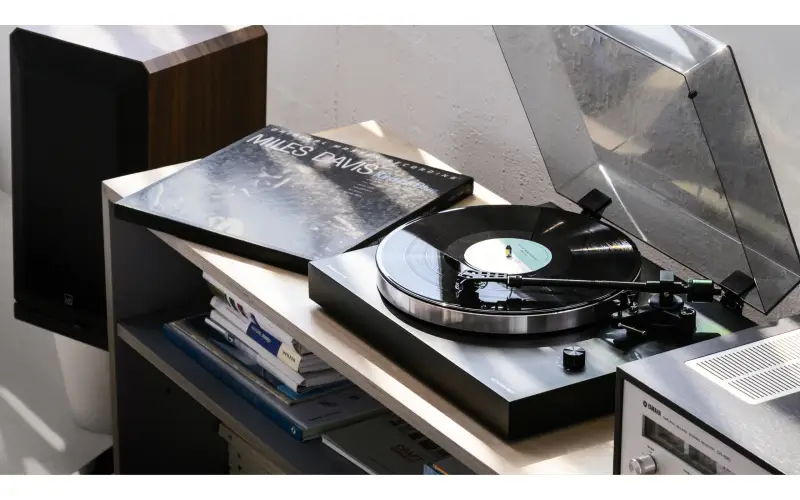
If there is one category that truly resists technological disruption, it’s analogue playback.
Turntables operate on mechanical principles that have remained largely unchanged since the golden age of vinyl. A good turntable isn’t just future-proof, it’s practically time-proof. As long as vinyl exists, a quality turntable will remain relevant.
The Components That Age Quickly
Now let’s look at the opposite side of the spectrum. Anything that relies heavily on digital standards or software platforms should be viewed differently.
These products include:
• AV receivers
• DACs
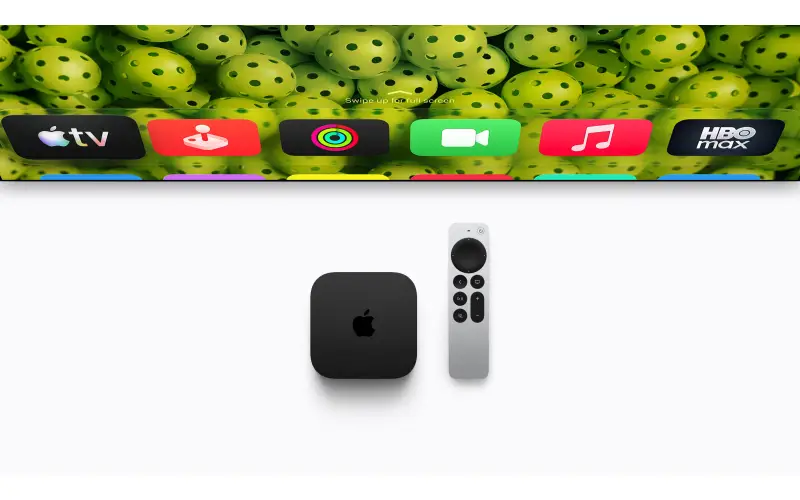
• streaming devices
• Blu-ray players
• smart TVs
• media players
These products live in a world where change happens quickly.
Every few years we see new:
• video formats
• HDR standards
• audio codecs
• streaming platforms
• connectivity protocols
Trying to future-proof digital technology is like trying to freeze time. Eventually something will break compatibility.
Never Buy Based on Promised Features
One of the most common mistakes buyers make is purchasing hardware based on features that don’t exist yet. Manufacturers love to promise upcoming firmware updates.
Sometimes those updates arrive. Sometimes they don’t. And sometimes they arrive in ways that don’t work quite as advertised. The safest approach is simple: Buy technology for what it does today, not what it might do later. If a feature matters to you, it should already be functional when you buy the product.
Let Technology Mature
Another mistake buyers make is jumping into brand-new technology too quickly. First-generation products often come with problems. Second-generation products fix some of those issues. But it’s usually third-generation technology where companies truly refine the product.
OLED TVs are a perfect example. Early OLED displays struggled with brightness and burn-in concerns. Over time, manufacturers improved materials, brightness levels increased, and software protections became more sophisticated. Today’s OLED televisions are dramatically better than their early predecessors. Patience often produces better results.
The 120Hz Lesson
When the PlayStation 5 and Xbox Series X launched, one feature dominated the conversation: 120Hz gaming. Many gamers rushed out to upgrade their TVs immediately. But what people discovered later was that not all 120Hz implementations were equal.
Some TVs used native 120Hz panels. Others simulated the effect through processing or upscaling. Some models supported full HDMI 2.1 bandwidth, while others cut corners. The early buyers learned an expensive lesson. Waiting just a little longer would have produced a much better decision.
Know What Matters to You
A system should reflect your priorities. If you primarily watch sports, brightness and motion handling matter more than absolute black levels. If you watch films in a dark room, contrast performance becomes far more important. If you listen to music more than you watch TV, your speakers and amplification deserve the largest share of your budget. Understanding your priorities helps you avoid wasting money on features that don’t improve your experience.
Upgrade Slowly
Technology companies thrive on urgency. Every year there’s a new feature, a new format, a new reason to upgrade. But the smartest enthusiasts move slowly. They observe how technologies evolve. They watch how standards settle. They wait until the market stabilizes. Patience almost always leads to better buying decisions.
Accept the Imperfections
Finally, one of the most important lessons in technology buying is accepting that no product is perfect. Every piece of equipment has trade-offs. A TV with incredible brightness might sacrifice contrast. A speaker with extreme detail might have less warmth. An AV receiver with every feature imaginable might have weaker amplification. The goal isn’t perfection. The goal is choosing equipment whose compromises you can live with.
The Real Meaning of Future-Proofing
True future-proofing is about building a system that adapts when change happens. You invest heavily in components that will last decades. You accept that digital technology will eventually evolve. And when upgrades are necessary, you replace only the pieces that need replacing. That approach doesn’t just save money. It builds systems that remain enjoyable long after the marketing hype fades. And in a world where technology never stops moving forward, that’s the closest thing to future-proofing you’ll ever get.