By: Dipin Sehdev
Amazon is once again changing the streaming equation.
Back on April 10, 2026, the company's existing ad-free Prime Video option officially became Prime Video Ultra, a new premium tier that costs $4.99 per month on top of a Prime membership. While Amazon is framing the move as an enhancement rather than a price increase, the reality is simple: if you want the best Prime Video experience, you'll now pay more for it.
The new tier bundles several upgrades, including exclusive access to 4K/UHD streaming, Dolby Atmos audio, more concurrent streams, and significantly expanded download limits. On paper, the changes make sense. Streaming infrastructure, content production, sports rights, and premium video delivery are expensive. Amazon joins Netflix, Disney+, Max, Paramount+, Peacock, and virtually every major streaming platform in creating increasingly segmented subscription tiers. But for consumers, it also represents another step in a trend many hoped streaming would eliminate: paying more to avoid advertising.
The Streaming Industry's Ad Problem
Not long ago, streaming was marketed as the alternative to cable television. The pitch was simple: fewer commercials, lower costs, and more control. Fast forward to 2026 and nearly every major streaming service now includes an ad-supported tier. Some platforms have even moved premium features like 4K video, HDR formats, and immersive audio behind higher-priced subscriptions.
Prime Video is the latest example. Amazon introduced advertising into Prime Video in 2024 and offered subscribers an additional ad-free add-on for $2.99 per month. Now that add-on evolves into Prime Video Ultra at $4.99 per month, while adding exclusive access to premium AV features.
From a business perspective, the decision isn't surprising. Advertising remains one of the most profitable revenue streams in media. For consumers, however, it feels like another reminder that the streaming landscape increasingly resembles the cable bundles many viewers left behind. Money will always find a way to monetize attention.
What Changes with Prime Video Ultra?
Prime members still receive access to Prime Video as part of their subscription, including:
- HD streaming
- HDR10 and HDR10+
- Newly added Dolby Vision support
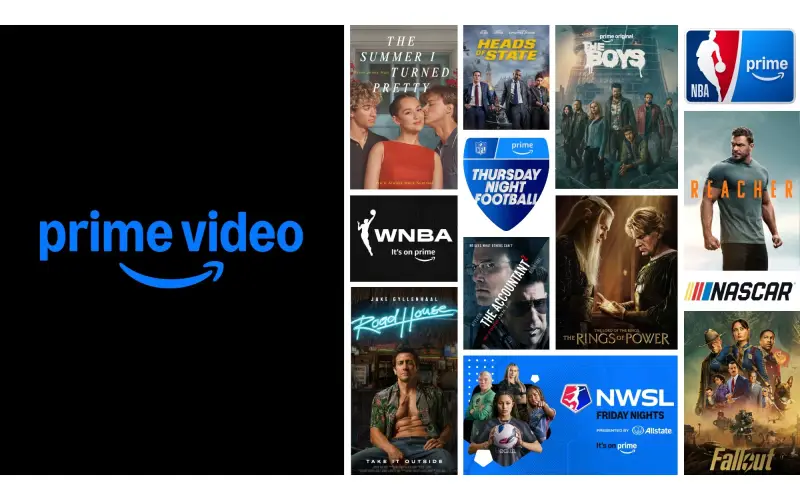
- Live sports
- Prime Originals
- Licensed movies and television shows
The biggest difference is that Ultra becomes the only way to access:
- Ad-free viewing
- 4K/UHD streaming
- Dolby Atmos audio
- Five concurrent streams
- Up to 100 downloads for offline viewing
The move effectively positions Prime Video Ultra as Amazon's premium home theater tier. For AV enthusiasts with Dolby Vision televisions and Dolby Atmos sound systems, the upgrade may be worth considering. For casual viewers, the standard Prime Video experience remains largely unchanged.
Prime Video vs. The Competition
Amazon's move also reflects a broader industry trend toward premium feature gating. Today, 4K streaming is often locked behind top-tier plans from Netflix, Disney+, and other services. Dolby Atmos support is increasingly treated as a premium feature rather than a standard benefit.
Here's how Prime Video compares to the rest of the market.
Major Streaming Service Pricing Comparison (U.S.)
| Service | Ad-Supported Tier | Standard Tier | Premium Tier | 4K Included? | Dolby Atmos? |
|---|---|---|---|---|---|
| Prime Video | Included with Prime ($14.99/mo) | N/A | Ultra +$4.99/mo | Ultra Only | Ultra Only |
| Netflix | $7.99/mo | $17.99/mo | $24.99/mo | Premium Only | Premium Only |
| Disney+ | $9.99/mo | $15.99/mo | $19.99/mo | Premium | Premium |
| Max | $9.99/mo | $16.99/mo | $20.99/mo | Premium | Premium |
| Peacock | $7.99/mo | $13.99/mo | N/A | Premium Plus | Select Content |
| Paramount+ | $7.99/mo | $12.99/mo | N/A | Included | Included |
| Hulu | $9.99/mo | $18.99/mo | N/A | Limited | Limited |
| Apple TV+ | N/A | $9.99/mo | N/A | Included | Included |
Pricing subject to change and varies by region.
Home Theater Fans Gain the Most
The most interesting aspect of Prime Video Ultra may not be the removal of ads. It's the fact that Amazon is making 4K/UHD, Dolby Vision, and Dolby Atmos central to its premium strategy. For years, enthusiasts have argued that picture and audio quality should remain part of the base experience. Instead, the industry continues moving toward premium AV tiers that reward viewers willing to spend more. The good news is that Prime Video Ultra delivers features that many home theater owners actually want.
The bad news is that yet another streaming service is asking customers to open their wallets a little wider.
The Bottom Line
Prime Video Ultra isn't a bad value. For $4.99 per month, subscribers receive ad-free viewing, 4K/UHD streaming, Dolby Atmos audio, increased downloads, and more simultaneous streams. Compared to some competitors, that's a relatively reasonable premium. Still, it's difficult not to feel nostalgic for a time when streaming promised fewer ads and simpler pricing.
Today, the streaming wars have largely been replaced by the tier wars. And while consumers still have more choice than ever, those choices increasingly come with fine print, feature restrictions, and premium upgrades. For Amazon, Prime Video Ultra is a logical business decision. For viewers, it's another reminder that the golden age of ad-free streaming continues to get a little further away.