By: Dipin Sehdev
If you had asked me at the beginning of 2026 which major technology company might become an acquisition target, Roku would not have been on my list.
Quite the opposite.
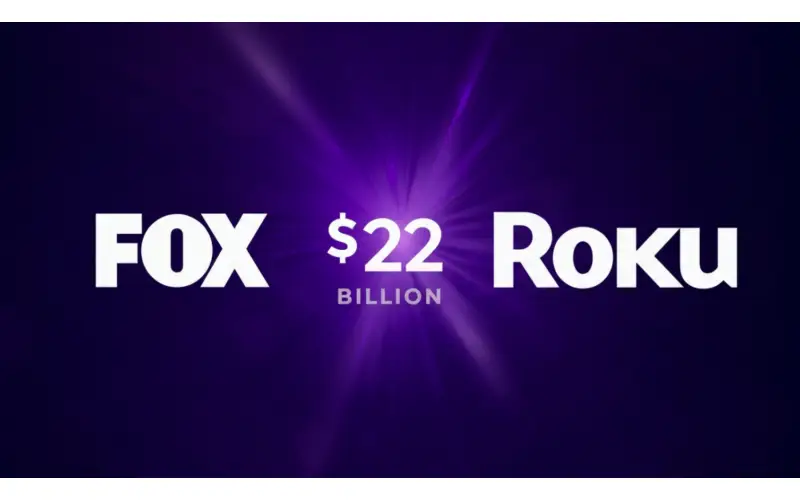
Roku appeared to be one of the healthiest independent companies in the streaming ecosystem. Its platform had surpassed 100 million households globally, advertising revenue continued to grow, and its operating system had become one of the most widely used smart TV platforms in North America. More importantly, consumers generally liked Roku. It wasn't flashy, but it was simple, reliable, affordable, and largely platform agnostic. That is why Fox Corporation's surprise $22 billion acquisition of Roku landed as one of the most unexpected, and potentially consequential, media deals of the year.
And to be clear, we're talking about Fox Corporation, the company controlled by the Murdoch family that owns Fox News, Fox Sports, Tubi, and the Fox broadcast network and not 21st Century Fox's former entertainment assets that were acquired by Disney in 2019.
If approved, this deal would fundamentally change the balance of power in streaming and connected television.
A Surprising Deal
Fox announced it will acquire Roku in a cash-and-stock transaction valued at approximately $22 billion, including debt. Under the terms of the agreement, Roku shareholders will receive:
- $96 in cash per share
- Approximately 0.97 Fox Class A shares
- Total implied value of roughly $160 per Roku share
- A premium of approximately 34% over Roku's pre-rumor stock price
Fox says the acquisition will combine its powerful portfolio of live sports, news, and entertainment with Roku's massive connected TV footprint. From Fox's perspective, the logic is obvious. Cord-cutting continues to erode traditional television audiences. While Fox remains one of the strongest media companies in sports and news, it still relies heavily on cable distribution revenue. Roku gives Fox direct access to more than 100 million streaming households.
That means better advertising data, greater distribution control, and potentially a much larger role in the future of connected television.
Why Roku Was Attractive
Roku isn't just a hardware company anymore. In fact, the streaming boxes and sticks are only a small part of the story. Today's Roku business revolves around:
- Advertising
- Platform licensing
- Revenue-sharing agreements with streaming services
- The Roku Channel
- Smart TV operating systems
According to company filings, Roku generated more than $613 million in advertising revenue during the first quarter alone, representing 27% year-over-year growth. That advertising business has become one of the most valuable assets in streaming. Roku sits between viewers and content providers, giving it insight into viewing behavior across virtually every major streaming service. For Fox, that's an incredibly valuable position.
Why This Deal Feels Different
Not every acquisition is bad. Earlier this year, Sony and TCL expanded their strategic partnership in ways that largely made sense. One company brought content and processing expertise; the other brought manufacturing scale and display innovation. This feels different. Roku's greatest strength has always been its neutrality. Whether you subscribe to Netflix, Disney+, Max, Prime Video, Peacock, Paramount+, or any other service, Roku's job has been to remain relatively platform agnostic. That's a big reason consumers trust it. Once Roku belongs to a major media company, questions inevitably emerge.
- Will Fox-owned properties receive preferential treatment?
- Will Tubi gain greater prominence?
- Will advertising strategies change?
- Will rival media companies become less comfortable sharing data and inventory through a platform owned by a competitor?
Fox executives insist Roku will remain an "open, partner-friendly platform." Roku founder and CEO Anthony Wood echoed that message when announcing the deal. For now, there is no indication that consumers will see immediate changes. But media history suggests these questions are worth asking.
The Bigger Issue: Consolidation
Over the past several years we've seen:
- Amazon acquire MGM
- Microsoft acquire Activision Blizzard
- Disney absorb Fox's entertainment assets
- Warner Bros. and Discovery merge
- Paramount and Skydance combine
- Numerous smaller media consolidations
Now Fox wants Roku. At some point, consumers have to ask whether fewer independent companies ultimately leads to less competition. Competition drives innovation. Competition drives lower prices. Competition gives consumers choice. When major content companies begin acquiring the platforms through which audiences access that content, the lines between distributor and publisher become increasingly blurred.
What Happens Next?
The deal still faces regulatory review. Given the current climate surrounding media and technology mergers, approval is not guaranteed. Regulators will likely examine:
- Advertising market concentration
- Connected TV market share
- Competitive impacts on rival streaming services
- Data privacy implications
- Vertical integration concerns
The outcome remains uncertain. Fox executives argue the combination creates a stronger competitor against technology giants like Amazon, Google, Apple, and Netflix. Critics may counter that the market already suffers from excessive consolidation.
A Turning Point for Roku
Perhaps the most surprising aspect of this story is that Roku never appeared desperate. The company wasn't struggling for relevance. Its stock had rebounded significantly. Its platform remained widely respected. Its operating system continued to gain market share among TV manufacturers. In many ways, Roku looked like one of the few independent streaming success stories left. That's why this announcement feels less like a rescue and more like a strategic land grab.
Whether Fox can preserve what made Roku successful while simultaneously leveraging it to strengthen its own streaming ambitions remains the central question. For consumers, the hope is simple: Roku remains the open, easy-to-use platform that helped define modern streaming. Because if history is any guide, once consolidation starts, it rarely stops. And that's what makes this deal one of the most fascinating, and potentially concerning, media stories of 2026.