By: Dipin Sehdev
Every year when LG announces a new generation of OLED TVs, the industry expects two things: better picture quality and higher prices.
This year, LG delivered on the first expectation, but surprisingly avoided the second.
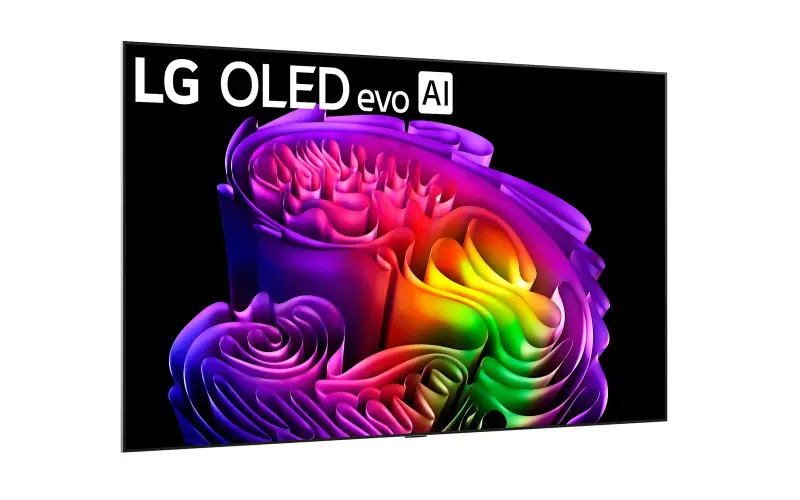
LG has officially revealed pricing for its 2026 OLED lineup, including the flagship LG OLED evo G6 and the more mainstream LG OLED evo C6. And despite major panel and processing upgrades, the new models arrive at nearly the same price points as their 2025 predecessors. In a year when many analysts expected OLED pricing to climb, LG’s strategy feels almost refreshing. The company appears to be prioritizing competitiveness in an increasingly crowded premium TV market. That decision could matter more than ever. OLED competition in 2026 is shaping up to be fierce, with LG facing pressure not only from Samsung and Sony, but also from emerging mini-LED and QD-OLED challengers.
Still, the headline here is simple:
Prices stayed the same — and that’s a big deal.
LG OLED G6 and C6 Pricing
LG’s flagship OLED evo G6 series starts at $2,499 for the 55-inch model and stretches all the way up to $24,999 for the massive 97-inch version. Thankfully, most buyers will be looking at more realistic screen sizes.
LG OLED evo G6 Pricing
| Size | Price |
|---|---|
| 55-inch | $2,499 |
| 65-inch | $3,399 |
| 77-inch | $4,499 |
| 83-inch | $6,499 |
| 97-inch | $24,999 |
The more accessible C6 series, which historically delivers some of the best price-to-performance in LG’s lineup, starts at $1,399.
LG OLED evo C6 Pricing
| Size | Price |
|---|---|
| 42-inch | $1,399 |
| 48-inch | $1,599 |
| 55-inch | $1,999 |
| 65-inch | $2,699 |
| 77-inch | $3,699 |
| 83-inch | $5,299 |
Both series are available for preorder now on LG’s website, with retail availability expected later this month. As always with TVs, these are MSRP launch prices. Historically, LG OLEDs begin seeing discounts within a few months, particularly around summer sales events.
The Wildcard in LG’s Lineup: Meet the C6H
One of the more interesting twists in LG’s 2026 OLED lineup is that the C-series now comes in two distinct versions: the standard C6 and a new model called the C6H.
At first glance, this might seem confusing, but the difference actually comes down to one key factor: the OLED panel technology used inside the TV.
For years, LG’s C-series has been the company’s sweet spot: a near-flagship OLED experience at a much more accessible price than the G-series. In 2026, LG is effectively splitting that formula into two tiers.
The standard C6 continues the traditional C-series approach. It uses a conventional WOLED panel similar to the one used in the 2025 C5, and it’s available in the most common screen sizes.
But the C6H is where things get interesting.
LG has equipped the C6H with the Primary RGB Tandem OLED panel, the same panel technology used in last year’s flagship LG G5.
That means the C6H should deliver:
-
Higher peak brightness
-
Improved color vibrancy
-
Better HDR performance
In other words, it’s effectively a “G-series light” TV, offering near-flagship panel performance without the full flagship price. The trade-off is that LG limits the C6H to larger screen sizes only. If you want the brighter Tandem OLED panel, you’ll have to step up to the bigger models.
LG C6 vs LG C6H: What’s the Difference?
Here’s a quick breakdown of how the two models compare.
| Feature | LG C6 | LG C6H |
|---|---|---|
| OLED Panel | Standard WOLED (similar to C5) | Primary RGB Tandem OLED |
| Brightness | Good OLED brightness | Significantly brighter |
| Color Performance | Excellent | Improved color vibrancy |
| Processor | Alpha 11 AI Gen 3 | Alpha 11 AI Gen 3 |
| Gaming Support | 4K up to 165Hz, VRR, G-SYNC, FreeSync | Same |
| HDR Formats | Dolby Vision, HDR10, HLG | Same |
| Anti-Reflection | Standard coating | Same coating (not G6-level) |
| Sizes | 42", 48", 55", 65" | 77", 83" |
| Positioning | Mainstream OLED | Higher-performance C-series |
Both models still share many of the same core features. They use LG’s Alpha 11 Gen 3 processor, which brings improved AI upscaling and better SDR-to-HDR processing.
They also support the same gaming capabilities, including:
-
4K high refresh rates
-
VRR (Variable Refresh Rate)
-
NVIDIA G-SYNC
-
AMD FreeSync Premium
-
four HDMI 2.1 ports
So the biggest difference really comes down to panel technology and brightness performance.
Why LG Split the C-Series
At first glance, the decision to split the C-series might seem odd. But there’s actually a clear strategy behind it. The reality is that larger TVs are often used in brighter living rooms, where extra brightness makes a real difference.
Smaller TVs, meanwhile, tend to be used in:
-
bedrooms
-
offices
-
gaming setups
In those environments, the brightness advantage of the Tandem panel matters less. By splitting the lineup, LG can reserve the more expensive panel technology for larger TVs while keeping smaller models more affordable. It’s also a clever way for LG to push Tandem OLED technology further down the product stack without fully replacing the standard WOLED panels yet.
The C6H Is a Sneaky Good Option
For buyers considering a 77-inch or 83-inch OLED, the C6H could end up being one of the most interesting TVs of the year. Why? Because it brings flagship-level panel technology much closer to the C-series price bracket.
The G6 will still hold advantages, particularly:
-
the newer Tandem RGB 2.0 panel
-
a more advanced anti-reflection coating
But the C6H narrows the gap more than previous generations ever did.
For many buyers, that might make it the sweet spot in LG’s entire OLED lineup.
The Big Surprise: Prices Didn’t Go Up
Given the upgrades in the 2026 lineup, many expected price increases. They didn’t happen. That alone is notable. TV margins have been getting thinner every year. Manufacturing costs, panel development, and processor R&D are all rising. The fact that LG held the line on pricing suggests the company is keenly aware that competition is only intensifying. In particular, Samsung’s QD-OLED TVs and high-end Mini-LED models have put real pressure on LG’s pricing strategy.
Instead of pushing prices upward, LG appears to be doubling down on its strengths:
• OLED picture quality
• gaming performance
• refined processing
• premium industrial design
For consumers, it’s welcome news.
What’s New in the LG G6 OLED
The flagship LG G6 introduces a number of upgrades over the 2025 G5. At the center of the improvements is the Primary Tandem RGB OLED 2.0 panel, which builds on the first-generation panel introduced last year. LG claims the new panel can deliver up to 20% higher brightness compared to the G5. While that might sound modest, improvements in full-screen brightness are particularly meaningful for OLED displays. LG says the G6 can reach roughly 400 nits fullscreen brightness, compared to around 350 nits on the G5. That may not seem dramatic on paper, but even small increases in fullscreen brightness can make OLED TVs feel significantly more capable in bright living rooms. The new panel also improves reflection handling, thanks to an upgraded anti-reflective coating. In practical terms, that means the G6 should perform better in bright environments, traditionally one of OLED’s biggest weaknesses.
The New Alpha 11 AI Processor Gen 3
Powering the new lineup is LG’s Alpha 11 AI Processor Gen3. This chip introduces several improvements designed to enhance image processing.
Key upgrades include:
• Dual Super Resolution Upscaling
• Dynamic Tone Mapping Ultra
• Hyper Radiant Color Technology
• improved AI picture analysis
The new upscaling system uses two separate processing engines: One focuses on edge enhancement, while the other improves texture detail. In theory, this should deliver more natural upscaling for lower-resolution streaming content. And that’s important, because most people still watch compressed streaming video rather than pristine Blu-ray sources.
Color Processing Gets an Upgrade
Another major improvement in the G6 is its expanded color processing pipeline. The new system uses a 12-bit internal color pipeline, compared to the 8-bit pipeline used previously. Technically, LG says the system produces a 13-bit processing output, adding an additional bit dedicated to bright white tones.
It’s important to note that the OLED panel itself remains 10-bit, but the deeper processing pipeline helps reduce:
• color banding
• compression artifacts
• tonal stepping in gradients
In practice, the goal is simple:
Cleaner images with smoother color transitions.
Gaming Performance Remains Excellent
Gamers will find most of the features they loved on the G5 returning unchanged.
Both the G6 and C6 support:
• 4K at 165Hz refresh rate
• VRR (Variable Refresh Rate)
• NVIDIA G-SYNC compatibility
• AMD FreeSync Premium
• ALLM (Auto Low Latency Mode)
• four HDMI 2.1 ports
The G5 was already one of the best gaming TVs on the market, so LG didn’t need to reinvent the formula here. Instead, the company focused on refining processing and brightness performance.
2025 vs 2026 LG OLED TVs
Here’s how the new models compare with last year’s lineup.
| Feature | LG G5 (2025) | LG G6 (2026) |
|---|---|---|
| Panel | Primary Tandem RGB OLED | Primary Tandem RGB OLED 2.0 |
| Processor | Alpha 11 AI Gen2 | Alpha 11 AI Gen3 |
| Peak HDR Brightness | ~2,268 nits | Higher with improved tone mapping |
| Fullscreen Brightness | ~350 nits | ~400 nits |
| Color Pipeline | 8-bit internal | 12-bit internal |
| Reflection Handling | Good | Improved anti-reflection coating |
| Gaming | 4K 165Hz VRR | 4K 165Hz VRR |
| Filmmaker Mode | More vibrant | More accurate |
| Feature | LG C5 (2025) | LG C6 (2026) |
|---|---|---|
| Processor | Alpha 11 AI Gen2 | Alpha 11 AI Gen3 |
| Panel | OLED evo | OLED evo |
| Gaming | 4K 165Hz | 4K 165Hz |
| HDR Support | Dolby Vision, HDR10, HLG | Same |
| Price | Starting $1,399 | Starting $1,399 |
Let’s Talk About Dolby Vision 2
One question many enthusiasts are already asking: Will these TVs support Dolby Vision 2? The short answer is no. Dolby Vision 2 has only just been announced, and the hardware requirements mean current TVs will not receive it via firmware updates. That includes the new LG OLED lineup. So if you’re waiting for DV2 support, you’ll likely be waiting until future TV generations. It’s important to understand that Dolby Vision 2 was never expected on these models, despite speculation online.
For now, the G6 and C6 support the same HDR formats as before:
• Dolby Vision
• HDR10
• HLG
And for most viewers, that will continue to deliver excellent HDR performance.
Final Thoughts
The LG G6 and C6 OLED TVs don’t radically reinvent the OLED formula. But they don’t need to.
Instead, LG focused on refinement:
• brighter panels
• improved processing
• better reflection handling
• more accurate color reproduction
Perhaps most importantly, LG resisted the temptation to raise prices. In today’s TV market, that alone is notable. With OLED competition heating up across the industry, LG’s strategy appears clear: Deliver incremental improvements while keeping pricing competitive. If early impressions hold true, the G6 may become one of the most balanced OLED TVs LG has produced yet. Now the real test begins. Once reviewers get these sets into their labs, we’ll finally see how the G6 performs against both its predecessor and the growing field of OLED rivals. And that’s where things will get really interesting.
Full LG 2026 OLED Lineup Comparison
| Model | Position in Lineup | Panel Technology | Processor | Refresh Rate | Sizes | Key Features |
|---|---|---|---|---|---|---|
| LG B6 | Entry-level OLED | Standard WOLED | Alpha 8 Gen3 | Up to 144Hz | 48", 55", 65", 77", 83" | Cheapest OLED, strong gaming features |
| LG C6 | Mid-range OLED | OLED evo / WOLED | Alpha 11 Gen3 | Up to 165Hz | 42", 48", 55", 65" | Best value OLED, flagship processor |
| LG C6H | Performance C-series | Tandem OLED (G5-level) | Alpha 11 Gen3 | Up to 165Hz | 77", 83" | Much brighter panel, near-flagship performance |
| LG G6 | Flagship OLED | Tandem RGB OLED 2.0 | Alpha 11 Gen3 | Up to 165Hz | 48", 55", 65", 77", 83", 97" | Brightest OLED, best anti-reflection coating |
| LG W6 | Design flagship | Tandem RGB OLED 2.0 | Alpha 11 Gen3 | Up to 165Hz | 77", 83" | Ultra-thin “Wallpaper TV”, wireless Zero Connect box |