By: Dipin Sehdev
Vinyl just crossed a line that would have sounded impossible not that long ago. In 2025, vinyl sales in the U.S. topped $1 billion for the first time this century, hitting $1.04 billion according to the RIAA. That marks the 19th consecutive year of growth, a streak that’s no longer a comeback story. It’s a movement. For anyone who has been paying attention, this didn’t come out of nowhere. But seeing that number in black and white still feels significant. Because vinyl isn’t just surviving anymore. It’s thriving.
Physical Media Isn’t Dead, It Just Took a Different Path
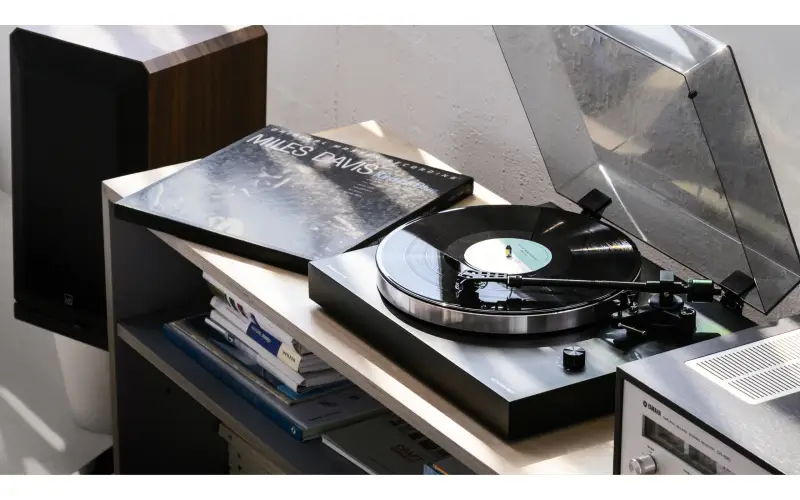
Streaming still dominates the industry. That’s not changing anytime soon. With over $22 billion in revenue, it remains the default way most people consume music. But vinyl carving out a $1 billion slice of the market, nearly 5% of total music revenue, isn’t a niche anymore. It’s a real part of the ecosystem. And more importantly, it represents something different. Streaming is about convenience. Vinyl is about experience. As someone who collects, that difference matters more than any spec sheet or format war. There’s just something about pulling a record off the shelf, dropping the needle, and sitting with an album that streaming doesn’t replicate. It’s slower. It’s intentional. And for a lot of people, that’s the point.
The Numbers Back It Up
The growth shows revenue and volume growth. And it’s not only driven by nostalgia. Yes, classic albums like Rumours and Thriller are still moving serious numbers. But new releases are doing just as well if not better.
Top Vinyl Sellers (2025)
-
Taylor Swift – The Life of a Showgirl (1.6M)
-
Sabrina Carpenter – Man’s Best Friend (292K)
-
Kendrick Lamar – GNX (279K)
-
Billie Eilish – Hit Me Hard and Soft (192K)
-
Fleetwood Mac – Rumours (190K)
-
Michael Jackson – Thriller (182K)
That mix of new and legacy artists tells you everything. Vinyl is important across generations and is bringing different groups of people together.
The COVID Effect Still Matters
A lot of this momentum traces back to the pandemic. When people were stuck at home, they started interacting with music differently. The daily commute disappeared. Background listening gave way to intentional listening.
People had time to:
-
Build systems
-
Buy records
-
Actually sit down and listen
That shift hasn’t gone away. It reshaped how a lot of people think about music. Vinyl benefited more than anything else from that change.
Why Physical Media Still Matters
There’s a bigger story here beyond just vinyl. Physical media gives listeners something streaming doesn’t:
-
Ownership
-
Permanence
-
A connection to the music
Streaming libraries change. Albums disappear. Licensing shifts. Content gets edited or replaced. A record on your shelf doesn’t. And again, speaking personally, there’s just no replacement for the tactile experience. The artwork, the liner notes, the act of flipping the record. It’s part of the ritual. That experience matters more now because everything else has become so disposable.
Artists Are Starting to Notice
There’s also a growing shift on the artist side. More indie and smaller artists are turning to physical formats liked vinyl, CDs, even cassette tapes, as a way to:
-
Maintain control over their work
-
Generate meaningful revenue
-
Build deeper connections with fans
Streaming platforms have made distribution easier, but they’ve also made it harder for artists to actually get paid fairly. And that’s where physical media starts to look a lot more appealing.
The Streaming Problem No One Wants to Talk About
Streaming isn’t going away, but it’s changing. And not all of those changes are great. Platforms are increasingly experimenting with AI-generated music, which costs less and doesn’t require paying traditional artist royalties in the same way. Spotify, in particular, has faced criticism in this space.
That shift creates a strange dynamic:
-
More content than ever
-
Less incentive to support real artists
Against that backdrop, buying physical media feels less like a hobby and more like a statement. You’re choosing to support the artist directly. You’re choosing something real.
CDs and Cassettes Are Quietly Following
Vinyl gets the headlines, but it’s not the only format seeing renewed interest.
-
CD sales remain steady
-
Cassette tapes are slowly growing again
Neither will hit vinyl-level numbers anytime soon, but the trend is there. And it makes sense. Once people rediscover physical media through vinyl, it’s not a stretch to explore other formats especially as collectors look for different ways to engage with music.
This Time Feels Different
Vinyl has had “comebacks” before. This one feels more sustainable. It’s not driven by novelty. It’s driven by:
-
A reaction to digital fatigue
-
A desire for ownership
-
A deeper connection to music
And the industry is responding. Retailers are stocking more records. Artists are prioritizing vinyl releases. Pressing plants are expanding. The industry and consumers are finding a balance between streaming and owning a physical record.
Final Thoughts
Vinyl crossing $1 billion is a validation. It shows that even in a world dominated by streaming, there’s still room for formats that ask more from the listener and give more in return. For collectors, it’s easy to understand why. There’s a physical connection. A ritual. A sense of ownership that digital just doesn’t offer. And while streaming will continue to dominate day-to-day listening, physical media is carving out something more meaningful. Not everything needs to be instant. Sometimes, it’s better when it’s intentional. And right now, vinyl is proving that in a big way.