By: Dipin Sehdev
Streaming has become the default for home entertainment — but lately, the experience is feeling like less fun for many users. Subscription prices are creeping upward, ad loads are increasing, and some features we once appreciated are being deprecated. In this climate, it's worth examining the hardware you use — especially if your streaming stick is locked into a specific ecosystem that may no longer feel as flexible as it used to.
The Device Side: Amazon’s Fire TV Ambitions
Take the Amazon Fire?TV?Stick?4K?Max?(2nd?Gen) with an 83% CE Critic Score. It arrives highly capable: Quad-core 2.0 GHz CPU, 16 GB internal storage, Wi-Fi 6E support, Dolby Vision, HDR10+, Dolby Atmos — in other words, a premium streaming stick. The specs mean that, at least on the hardware side, Amazon hasn’t held back.
Likewise, the entry-level Amazon Fire?TV?Stick?Lite (75% CE Critic Score) offers a lower cost of entry — but with fewer frills. Both devices have received respectable evaluations — meaning they do what they’re supposed to, quite well.
Yet the challenge isn't just hardware any more. It’s what’s happening around the streaming ecosystem: higher prices, more ads, and hardware restrictions creeping in.
The Ecosystem Shift: Ads, Prices, and Frustrations
On the content side of things, there’s no escaping the trend: more streaming services are leaning into ad-supported tiers, even as base subscription costs rise. For example, The Verge reported data show that roughly 46% of all US subscriptions across major streaming services are now on ad-supported tiers — and ad-tiers drove 71% of net additions in the last nine quarters.
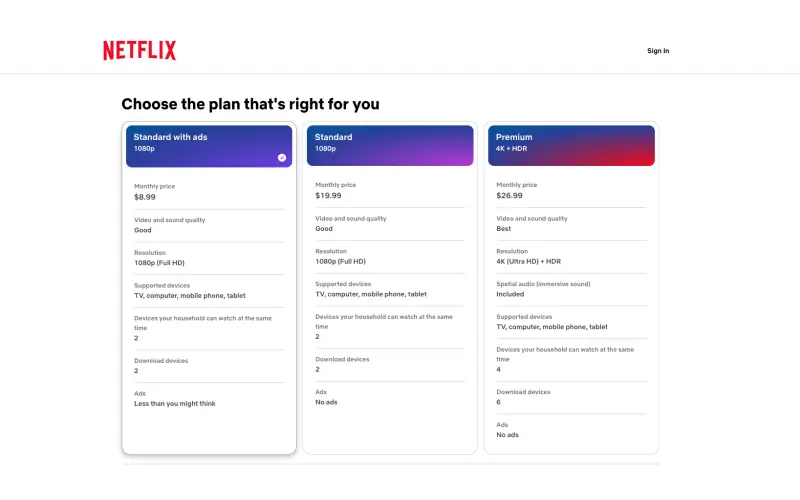
Both Disney+ and Netflix have clearly made the pivot. Disney+ now offers an ad-supported tier (and bundles) and its prices are going up. Netflix has doubled its ad-supported user base, and is actively experimenting with more advanced ad formats (interactive ads, pause screen ads, etc.).
Amazon itself is not immune: there are reports that Prime Video will soon introduce ads or charge users a “no-ads” premium.
So the hardware might be great — but the software experience you’ll pay for is arguably becoming less pristine. More ads, more tier-creep, less of the “lean-back” experience we once associated with smart streaming sticks.
Features Are Changing — Sometimes for Worse
One feature that many users liked about Fire TV sticks was flexibility: sideloading apps, customizing the interface, using alternatives beyond Amazon’s curated choices. But Amazon is now taking a firmer stance. It will begin blocking sideloaded apps that provide unauthorized access to copyrighted content — part of a wider anti-piracy push through the Alliance for Creativity and Entertainment (ACE).
While blocking piracy is understandable, it signals a broader tightening of the ecosystem — and will reduce the “open” feeling many thought they were getting. In other words: if you liked the Fire device because of its hack-friendly, sideload-friendly nature, you may find that slipping away.
Why Consider Alternatives?
Given that streaming is getting more expensive, ad-laden, and somewhat locked down, it’s perfectly reasonable to ask: “Why am I paying for this hardware ecosystem at all? Should I switch?”
Enter the Roku?Streaming?Stick?4K — evaluated with a 90% CE Critic Score, suggesting strong performance and value. If you’re feeling squeezed by the streaming side of things, a device that gives you broad access, less locked-in culture, and excellent reviews may be worth a look.
Here are some of the trade-offs worth considering:
-
Fire TV sticks: Excellent hardware, but ecosystem shifting toward more ads, tighter control, and more cost.
-
Roku Streaming Stick 4K: Highest reviewer score in your note (90%), less emphasis on proprietary ad-push and more neutrality toward apps.
-
Entry devices (e.g., Fire TV Stick Lite) still work, but you’re paying into this ecosystem shift without many upside features.
Specs Summary: Fire TV Stick 4K Max (2nd Gen)
Here are the headline specs of the Fire TV Stick 4K Max (2nd Gen):
-
4K UHD up to 60 fps.
-
Wi-Fi 6E tri-band (2.4GHz/5GHz/6GHz).
-
16 GB internal storage (for apps).
-
HDR support: HDR10, HDR10+, HLG, Dolby Vision.
-
Dolby Atmos audio.
-
Alexa Voice Remote (Enhanced).
-
Price: From around $59.99 USD at launch.
Meanwhile the Fire TV Stick Lite offers a more budget-entry path, but fewer premium specs.
The Real-World Experience: What’s Changing
As more streaming services lean ad-first, the hardware you pick becomes part of a larger ecosystem decision. If you buy a Fire TV stick now, you're committing to Amazon’s Fire OS environment — with all its benefits (deep Alexa integration, expansive app catalogue) but also its growing constraints (ads, ecosystem lock-in, sideloading restrictions).
For example:
-
More ad-tiers mean you’ll see more commercials even if you’re paying for “premium” packages.
-
Price hikes continue: Disney+ increased its ad-supported tier from $9.99 to $11.99 and its ad-free tier from $15.99 to $18.99 from October 21, 2025.
-
Netflix and co are doubling down on ad formats — meaning even “premium” experiences may carry more commercial interruption.
-
Amazon’s decision to block sideloaded piracy apps tells a story about tightening control — the open possibilities we once expected from streaming sticks are being narrowed.
Why Roku May Be a Better Fit Now
If you’re disillusioned with the streaming ecosystem’s direction, the Roku Streaming Stick 4K stands out for several reasons:
-
Strong reviews (90% CE Critic Score) suggest it’s excellent in performance.
-
More hardware-agnostic mindset: Roku tends to be less about pushing its own streaming store and more about enabling you to use what you want.
-
Potentially better value if you’re looking to avoid tightened ecosystems and increased ads.
What to Consider Before Picking Your Device
-
Ecosystem alignment: Are you deep into Amazon’s ecosystem (Prime, Alexa, etc.)? Then a Fire TV stick still makes sense. But if you’re into open flexibility, Roku may offer more freedom.
-
Ad-tolerance: Are you okay with more ads cropping up in your streaming experience? Then Fire TV is fine. If you’re seeking fewer interruptions, consider how the hardware supports less-ad environments.
-
Feature requirements: If you want HDR10+, Dolby Vision, advanced audio formats, and Wi-Fi 6E — the Fire TV Stick 4K Max is very capable. On the other hand, the Roku Stick 4K covers most major formats well and might offer a more balanced trade-off.
-
Future-proofing: With ecosystem lock-in rising (including sideloading controls, more integrated ad experiences), you might prefer a device that gives you maximum flexibility for the next 5–7 years.
-
Cost of ownership: The device price is one thing, but factor in streaming subscription cost inflation, ad burden, and ecosystem constraints. A lower cost device in a more neutral ecosystem may save you frustration — albeit there are trade-offs.
Looking Ahead: What This Means for Streaming and Hardware
The streaming wars are evolving. The hardware market used to be about enabling access — but now it’s equally about which ecosystem you subscribe to, how many ads you’ll tolerate, and how flexible your system remains.
Amazon’s Fire TV sticks still lead in capability, but the underlying shift in streaming behaviour means the advantage is less about “what device can stream the most formats” and more about “what device locks me into the fewest restrictions while preserving value.”
We are also seeing that streaming service providers increasingly treat hardware devices as gateways into ad revenue and subscriber lock-in. Features that once differentiated devices — like sideloading, app openness, minimal ad boundaries — are becoming less common. Amazon’s move to actively block sideloaded piracy apps is part of a broader crackdown. While piracy is obviously undesirable, the broader implication is an ecosystem that’s becoming more curated and closed — which reduces flexibility for end-users.
At the same time, streaming prices continue climbing. Add-supported tiers are no longer bargain bins — they’re foundational to many services. As streaming becomes more “ad first” and “subscription up,” the hardware you choose has to reflect your tolerance for those changes.
Conclusion
In short: If you’re using a streaming stick primarily because it was cheap and “just worked,” you may want to reconsider. The ecosystem you’re plugging into has shifted.
-
The Fire TV Stick 4K Max (2nd Gen) is powerful and polished, but it ties you more firmly into Amazon’s ecosystem — with all the trade-offs of ad-driven models and ecosystem constraints.
-
The Fire TV Stick Lite is cheap and capable, but less premium in features — and still exposed to the same ecosystem trends.
-
The Roku Streaming Stick 4K offers a compelling alternative — excellent reviews, broad format support, and potentially fewer ecosystem strings.
If you’re feeling the pinch from rising subscription costs, ad-loaded content, and less openness in your streaming experience, now’s a good time to look at your hardware choice and ask: Which device helps me navigate the streaming future without being locked into its downsides?
If fewer ads, more freedom, and long-term flexibility matter to you, that might mean stepping away from the “fire ecosystem” and trying something like the Roku stick instead.
Because at the end of the day, streaming devices are just as much about the platform you live in, as the hardware you plug in.