By: Dipin Sehdev
The streaming wars are far from over. In fact, they may be entering a new phase — one where only a handful of players can realistically claim global scale, massive content catalogs, and the financial muscle to compete. In this high-stakes fight, Apple is quietly positioning itself for something big. With a deep war chest, a premium brand, and award-winning original programming under its belt, Apple may be preparing to make a move that could redefine the streaming landscape.
The speculative target? Warner Bros. Discovery (WBD) — the media giant whose assets include the legendary HBO powerhouse, the storied Warner Bros. studio, DC Comics, and a vast film and television library. If Apple were to acquire even the key studio and streaming assets of WBD, it would leap from well-regarded newcomer to dominant streaming powerhouse.
Let’s explore why Apple is in a strong position, what Apple already has, what WBD would bring to the table, how the acquisition race might play out (including rival bidders like Netflix, Inc.), and what major IPs Apple would gain — and what regulatory hurdles lie ahead.
Apple’s Strength: Financial Firepower and Premium Positioning
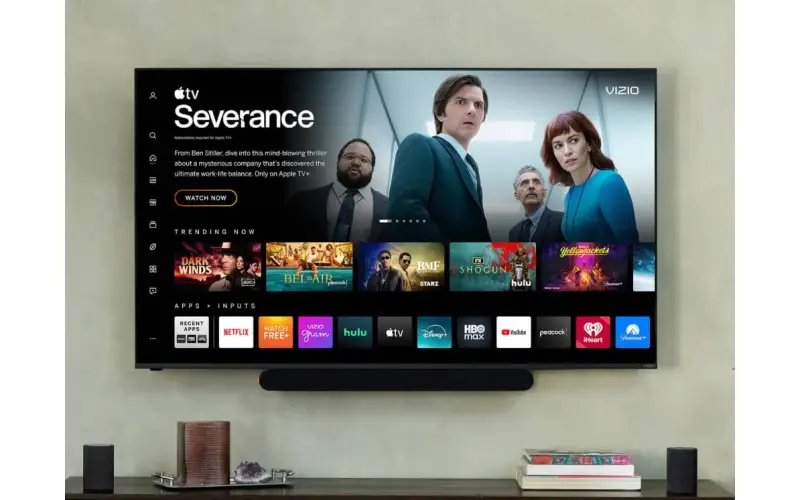
Apple has long excelled at hardware, ecosystems, and brand value — but in streaming it remains behind the true leaders. Its service, Apple TV+ (recently repositioned simply as Apple TV), boasts high quality original content like Ted Lasso, The Morning Show and Severance, and has earned multiple awards and acclaim. But its content catalog remains smaller than that of rivals who have decades of film and TV assets.
This is where Apple’s deep pockets become relevant. With tens of billions in cash and a well-diversified business, Apple has the flexibility to make a bold content acquisition — something many other streamers simply can’t do without risk. Analysts believe Apple could fund a major acquisition (or carve-out purchase) of a studio and content library with relative ease, given its size and cash reserves.
With original hits already under its umbrella, Apple’s next logical step would be to bulk up the back-catalog — the older films and shows that keep subscribers retained and give a service breadth, not just prestige. That’s the gap analysts see; it’s why WBD’s library is so attractive.
Why Warner Bros. Discovery Is the Golden Ticket
Warner Bros. Discovery today brings together a massive collection of intellectual property (IP):
-
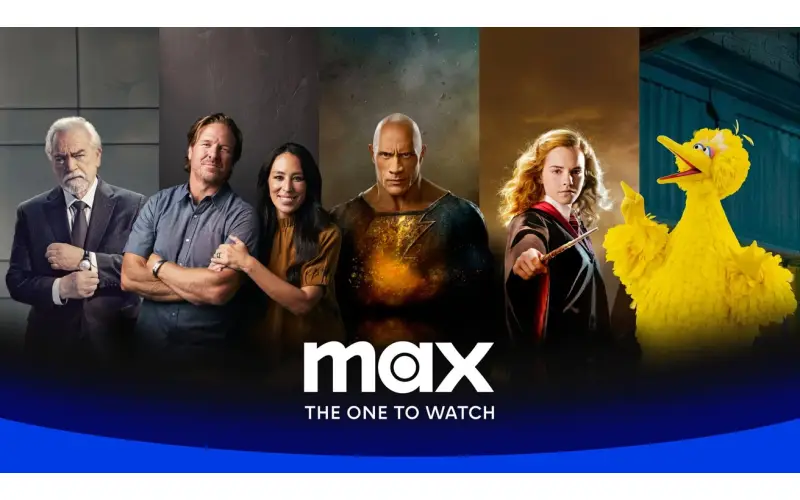
HBO’s catalogue (Game of Thrones, The Sopranos, The White Lotus, Succession)
-
Warner Bros. Films (Harry Potter, The Matrix, DC Cinematic Universe)
-
DC Comics characters and franchises
-
WarnerMedia and Discovery content (Cartoon Network, CNN, Discovery factual library)
-
Studio production and distribution infrastructure
The key point for Apple is that acquiring that studio and library would instantly give Apple unmatched depth of content to pair with its hardware ecosystem (iPhone, iPad, Apple TV, Vision Pro, etc.). Apple could offer a streaming service that isn’t just about original prestige series but a full-fledged catalog offering.
As reported by Bloomberg and others, WBD is actively entertaining bids for either the full company or parts of it, and Apple has shown interest (alongside Netflix, Amazon, Paramount) in the studio/film and TV library side rather than the legacy cable network parts.
Since Apple has the hardware ecosystem advantage (Apple TV device, Vision Pro, Apple Arcade cross-services) and the brand premium, taking over a studio like WBD could be the move that gives Apple scale + depth — and potentially push it into the number-one streamer slot, both in U.S. and globally.
Apple’s Current Content Strength: Building Blocks
Before buying the farm, Apple already holds significant turf in streaming. Its original programming portfolio is strong and growing:
-
Ted Lasso — a cultural phenomenon and multiple-award winner
-
The Morning Show — prestige workplace drama
-
Severance — inventive sci-fi anthology series
-
Additional programming from Apple Studios, and sports deals (e.g., F1 rights)
This gives Apple credibility and a premium service brand. Unlike some streamers that flooded the market with quantity, Apple focused on quality — reinforcing its premium positioning. This is important because when acquiring a large library, brand trust will help in retaining users rather than pouring money into mediocre content.
So if Apple buys a studio like WBD, it will not only bring massive scale, but also integrate with Apple’s positioning as a premium, device-ecosystem centric platform — offering original hits + deep catalog + hardware synergy.
What Apple Would Own: Major IPs and Franchises
If Apple successfully acquired the studio assets of WBD (or a carve?out thereof), the IP list would be staggering. Some of the major properties likely to fall under Apple’s umbrella include:
-
HBO Library: Game of Thrones, The Sopranos, Succession, The White Lotus, Westworld, Barry
-
Warner Bros. Films: Harry Potter, The Matrix, The Dark Knight Trilogy, Inception, the full DC Comics cinematic universe (Superman, Batman, Wonder Woman, etc.)
-
DC Comics Universe & Characters: DC’s roster of heroes and villains, including the film/TV rights
-
Studio Ghibli (licensed via Warner): perhaps depending on ownership and territory rights
-
Cartoon Network/Adult Swim Library: Adventure Time, Rick & Morty…
-
Discovery & Factual Content: Discovery, Animal Planet, CNN, and the factual backshelf
-
Max (HBO/Discovery) Library: Older films and series covering decades
-
Sports/Live Event Rights (via HBO/Warner deals)
In short: Apple would gain an IP library measured in tens of thousands of hours of film and television content, with iconic franchises already driving cultural engagement. This instantly gives Apple the volume competitors like Netflix or Disney+ possess, but paired with Apple’s hardware ecosystem and brand premium.
The Competitive Landscape: Netflix, Amazon & Paramount
Of course Apple is not alone in chasing WBD’s assets. Netflix is reportedly interested in parts of WBD — though Netflix publicly emphasises it prefers building rather than buying. Cord Cutters News Amazon and Paramount (Skydance-backed) are also named as potential bidders.
Here’s how Apple stacks relative to its rivals:
-
Netflix: Already global leader in streaming. Huge subscriber base, formidable original output, but smaller war chest for acquisitions and already vast scale.
-
Amazon: Has deep pockets, but its core business is retail and cloud, and its streaming service (Prime Video) hasn’t been built as a standalone premium brand in the same way.
-
Paramount (Skydance): Eager to consolidate and has backing, but less tech/hardware ecosystem and less of an integrated device strategy.
-
Apple: Distinct hardware + services ecosystem, premium brand identity, upgraded streaming portfolio, and cash reserves. Apple arguably has a unique advantage in merging content, devices, and services.
If Apple moves and executes correctly, it could leapfrog competitors — not simply by signing up subscribers, but by owning both the hardware lock-in and the full entertainment catalog.
Why Consolidation Is So Important Now
The streaming market is under pressure: subscriber growth in mature markets is slowing, content costs are rising, and competition is fierce. Many analysts believe that consolidation is inevitable for streaming services to achieve true profitability and scale.
For Apple, consolidation makes sense for the following reasons:
-
Back-catalog depth: Originals are great, but legacy film and TV series drive retention.
-
Global scale: A studio library helps in international markets where local subscribers expect large catalogs.
-
Hardware-services synergy: Apple can bundle devices + subscription services and integrate content into its ecosystem (Vision Pro, Apple TV hardware, Apple Arcade).
-
Competitive differentiation: While many streamers compete on quantity and price, Apple’s premium approach needs both quality originals and a rich catalog.
-
Speed to scale: Building a deep catalog organically takes years. An acquisition would accelerate Apple’s scale instantly.
The Risks: Why This Isn’t Easy
Despite the appeal, this is still a rumor, and major hurdles remain:
-
Antitrust & regulatory review: The US FTC and international regulators are closely scrutinising large media-tech mergers. Apple acquiring a major studio would raise serious questions about competition.
-
Debt and legacy costs: WBD carries heavy debt and legacy television/cable business models. Acquiring the full business may burden Apple rather than just the studio assets.
-
Cultural fit: Apple has historically built rather than bought; integrating a large studio might challenge its internal model. Indeed, Apple has said it isn’t actively looking for big acquisitions.
-
Execution risk: Buying a library is one thing; extracting value, avoiding duplication, managing rights and global licensing is another. Past media mergers have struggled.
-
Pricing mania: A bidding war could push up the price. If Apple overpays, returns might lag.
-
Subscriber value versus cost: Adding content doesn’t guarantee growth unless marketing, distribution, and bundling are properly aligned.
Why Apple Might Do This — and Why It May Wait
Apple’s existing successes give it a strong base: award-winning original series, a loyal device ecosystem, and a premium audience. But if Apple wants to take the number one spot in the streaming wars, the missing piece is library scale and franchise IP. That explains why the WBD library has long been on Apple’s radar.
And yet, Apple might move cautiously. A major acquisition carries risk, and Apple may first look to license or make selective partnerships instead of a full purchase. Their CEO code of behaviour suggests “we build things ourselves” but won’t rule out opportunistic deals.
If Apple can strike a deal for WBD’s studio and library assets (excluding legacy cable News/Networks) in a way that keeps regulatory risk manageable and cost reasonable, it could be the defining move in streaming consolidation.
What Happens If Apple Wins the Deal?
If Apple successfully acquires the studio and library assets of Warner Bros. Discovery, here’s how the global streaming war might shift:
-
Apple immediately gains tens of thousands of hours of film and television content, adding depth to its catalog.
-
Iconic IPs such as Game of Thrones, Harry Potter, the DC universe, and other major franchises migrate into Apple’s ecosystem — strengthening bundling opportunities with Apple TV hardware.
-
Apple can bundle subscriptions and devices (e.g., Apple TV+ with Apple TV hardware, Vision Pro, Mac, iPad) and integrate cross-services (gaming, fitness, music).
-
Competitors like Netflix and Disney+ lose access to a major supplier of premium content (HBO/Warner).
-
Given Apple’s premium brand and high-income user base, Apple may raise average revenue per user (ARPU) compared to pure streaming providers.
-
Apple can invest in sequels, spin-offs, games, AR/VR experiences linked to that franchise library — leveraging hardware synergy.
-
Bundling with services like Apple Music, iCloud, Apple Fitness+ becomes more compelling with a richer video catalog.
Why This Acquisition Is a Rare Opportunity
The window for this kind of deal appears open right now for multiple reasons:
-
WBD is under financial pressure, has legacy cable networks facing decline, and has shown interest in exploring strategic alternatives.
-
Apple’s streaming service needs scale to keep pace with leaders like Netflix and Disney+.
-
Other large tech/media players (Netflix, Amazon, Paramount) are also circling, meaning timing is key if Apple wants to act.
-
International expansion of streaming is increasingly important — and a library of global franchises helps in markets where originals alone won’t suffice.
-
Apple’s device ecosystem gives a unique advantage in monetising content in ways that pure streamers cannot.
Final Verdict: Why Apple Could Win — But Why the Deal Isn’t Guaranteed
In the streaming wars, owning scale and owning IP matter. Apple has the financial firepower, the brand positioning, and the device ecosystem to make a bold acquisition. A targeted purchase of Warner Bros.’ studio and library assets would allow Apple to leap ahead — making it not just a player but a dominant force.
That said, it’s still a rumor, and such a deal would still take years to complete — especially given potential antitrust scrutiny and integration complexity. Apple could still decide to build its catalog through licensing and original production rather than acquisition. Meanwhile, rivals like Netflix remain formidable, and pricing/subscriber growth pressures weigh heavily on all players.
If Apple does act decisively, the 2025-26 period could mark the moment when the streaming wars shift from many-player competition to a smaller number of global giants — and Apple might just be poised to claim the top spot.