By: Dipin Sehdev
Apple TV+ has quietly become one of the most consistent streaming platforms in terms of price hikes, and the latest increase may catch even seasoned subscribers off guard. Starting August 21, 2025, the tech giant is raising monthly rates across multiple regions, with some users facing a staggering 30% jump overnight. While streaming audiences have grown accustomed to annual increases, Apple’s latest move underscores just how fast the economics of streaming are shifting.
The New Pricing Structure: U.S., U.K., and Beyond
In the United States, Apple TV+ will now cost $12.99 per month, up from $9.99. This $3 increase represents the third time Apple has adjusted prices since the service debuted in November 2019 at just $4.99—a price point that was once heralded as a disruptive bargain. In only six years, the cost has more than doubled.
In the United Kingdom, subscribers will see the monthly fee rise by £1 to £9.99, with the annual subscription holding steady at £89. That’s still a marked increase compared to its 2019 launch price of £4.99, meaning the service has also doubled in cost there over six years.
Other regions are also impacted. In Europe, Apple TV+ will increase by €3 to €12.99 per month in key markets such as Germany, France, Spain, and Italy. In Canada, pricing moves from CA$12.99 to CA$15.99. In Australia, subscribers will now pay AU$13.99 per month, up from AU$9.99 at launch. These shifts bring Apple TV+ closer in line with rival platforms like Netflix, Disney+, and Prime Video, all of which have raised prices multiple times over the past two years.
Apple confirmed that new customers will pay the higher price immediately, while existing subscribers will see the hike 30 days after their next billing cycle. Annual subscription plans, at least for now, remain unchanged.
| Region | Old Monthly Price | New Monthly Price | Annual Price | Effective Date | Notes |
|---|---|---|---|---|---|
| United States | $9.99 | $12.99 (+30%) | $99 (unchanged) | Aug 21, 2025 (new subs) / 30 days post-renewal (existing) | Largest single jump since launch |
| United Kingdom | £8.99 | £9.99 (+11%) | £89 (unchanged) | Same as above | Monthly cost now double its 2019 launch price |
| Eurozone (France, Germany, Spain, Italy, etc.) | €9.99 | €12.99 (+30%) | €99 (unchanged) | Same as above | Matches U.S. percentage increase |
| Canada | CA$12.99 | CA$15.99 (+23%) | CA$119 (unchanged) | Same as above | Second-largest dollar jump |
| Australia | AU$9.99 | AU$13.99 (+40%) | AU$99 (unchanged) | Same as above | Steepest percentage hike |
| Other Regions | Varies | ~30% higher | Annual unchanged | Same as above | Applied in most Apple TV+ markets |
A Routine Raise—or Something More?
For seasoned streamers, an annual price adjustment is nothing new. Netflix, Disney+, and Max (formerly HBO Max) have all normalized yearly increases. But Apple’s move stands out because of its magnitude. A 30% rise in the U.S. is unusually steep, particularly given that Apple TV+ doesn’t offer the extensive back catalog of older content that rivals use to justify higher costs.
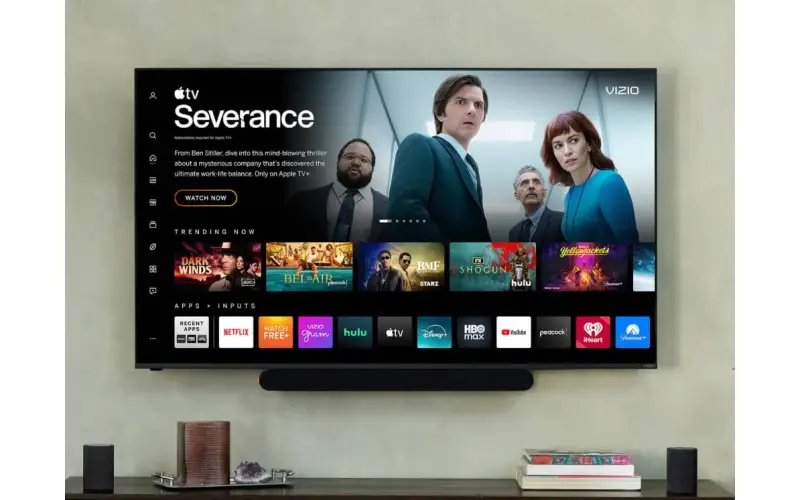
Instead, Apple’s pitch has always been about quality over quantity. With shows like Ted Lasso, The Morning Show, Slow Horses, Severance, and films such as CODA—which won the Oscar for Best Picture—Apple has leaned heavily into prestige storytelling. And to be fair, many subscribers find the highs worth a one-month binge before cancelling. But with limited new releases each week compared to Netflix or Disney+, the question remains: does Apple TV+ offer enough content to justify $13 a month?
The Apple One Question
Notably, Apple has not raised the price of Apple One, its all-in-one subscription bundle that includes Apple Music, iCloud storage, Apple Arcade, and Apple TV+. Apple One currently starts at $19.95 per month in the U.S., making it a strong value for those already using multiple Apple services.
However, analysts suggest this could be temporary relief. Apple last adjusted Apple One pricing in late 2023, and with TV+ now more expensive on its own, the likelihood of an Apple One increase by the end of 2025 is high. Bundles work best when they offer savings compared to standalone subscriptions—if the gap shrinks too much, Apple One loses its appeal.
Why Apple Is Raising Prices Now
The timing of the hike isn’t coincidental. Apple TV+ is in the middle of a strong content year, with Severance leading Emmy nominations and The Studio breaking records for a freshman comedy. Big-ticket debuts like Vince Gilligan’s Pluribus (arriving in November) and blockbuster originals like Highest 2 Lowest are scheduled for the fall. Apple wants to capture the increased attention and translate it into higher revenues.
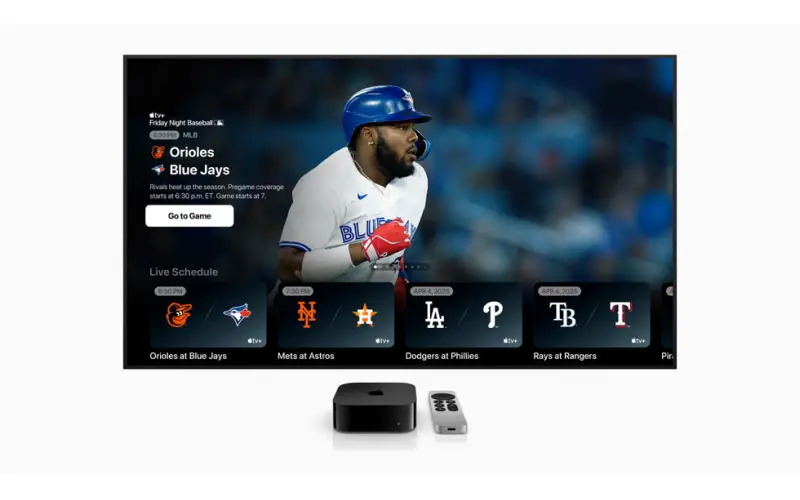
But there’s another reason: losses. Reports from The Information earlier this year suggested Apple TV+ is bleeding over $1 billion annually. That’s largely due to massive spending on original productions, live sports rights (including Major League Soccer and MLB’s “Friday Night Baseball”), and talent deals. Apple can afford the shortfall given its broader business, but streaming investors have grown less patient with losses across the industry.
Rivals like Disney and Warner Bros. Discovery are now laser-focused on profitability, not just growth. Apple’s price hike suggests it may be following the same path—aiming to close the revenue gap while maintaining its identity as a premium, ad-free service.
A Different Kind of Streaming Strategy
Unlike Netflix, Disney+, or Peacock, Apple has resisted launching a cheaper ad-supported tier. That decision has set it apart in a marketplace where ad-based streaming is becoming the norm. But industry watchers wonder how long Apple can hold out.
Apple has always branded TV+ as an extension of its ecosystem—a premium, ad-free service bundled into the hardware and software experience. Yet advertising is a lucrative business, and given Apple’s push into sports broadcasting, it’s not hard to imagine subtle ad formats arriving in 2026 or later. That could take the form of sponsorships around live sports, light-touch pre-roll messages, or even a dedicated ad-supported plan.
For now, Apple insists TV+ will remain ad-free. But with a $3 increase pushing it above the psychological $10 threshold in many markets, Apple may face pressure to offer more flexible options, especially for price-sensitive subscribers.
Industry Context: Everyone’s Raising Prices
Apple isn’t alone. Over the past 18 months, nearly every major streamer has raised rates:
-
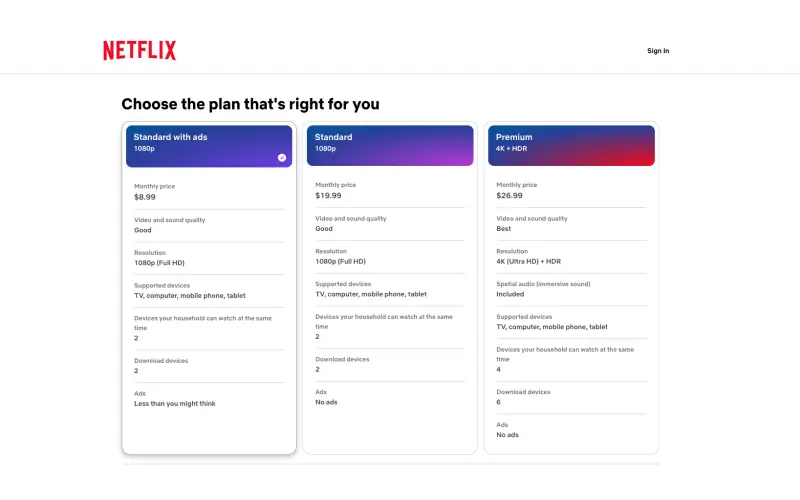
Netflix: £5.99–£18.99 per month depending on plan (UK); $6.99–$22.99 (U.S.).
-
Disney+: Increased to £8.99–£12.99 in the UK; $7.99 (with ads) or $13.99 (ad-free) in the U.S.
-
Paramount+: £4.99–£10.99 in the UK; $5.99–$11.99 in the U.S.
-
Peacock: Recently raised U.S. prices by $3.
-
Max: Continues to add surcharges for 4K streaming in some regions.
In this light, Apple’s move is hardly shocking. The surprise lies in the scale of the increase, and in the fact that TV+ is still relatively light on library depth compared to competitors.
The Value Proposition: Worth It or Not?
So is Apple TV+ worth $12.99 a month? The answer depends on how you stream. For viewers who like to binge, Apple’s catalog is tailor-made for the “one-month and done” strategy: subscribe, watch Ted Lasso, Severance, or Slow Horses, then cancel until the next season drops. For those who prefer year-round entertainment, Netflix or Disney+ still offer more breadth.
Apple’s strength lies in prestige—and occasionally, in surprise hits that become cultural moments. Ted Lasso was one of the defining comedies of the early 2020s, while Severance captured the zeitgeist with its mix of sci-fi paranoia and workplace satire. Apple is banking on more of these lightning-in-a-bottle successes to keep its subscriber base engaged despite higher costs.
What Comes Next
The immediate impact of the price hike will be muted—Apple’s subscriber base isn’t as large as Netflix’s or Disney’s, and many are bundled via Apple One or promotional deals. But the long-term question is whether Apple can sustain growth in a market that’s already saturated.
With more than 45 million estimated paying subscribers worldwide (per March 2025 data), Apple has a foothold but not dominance. If the company truly wants to compete with the likes of Netflix (260m+ subscribers) or Disney+ (around 150m), it may need to rethink its content cadence, marketing, or even its ad-free positioning.
And if rumors are correct, 2026 could be the year Apple finally introduces some form of advertising—whether optional or integrated into sports. That would be a significant philosophical shift for a brand that has built its reputation on premium, uninterrupted experiences.
For now, the message is clear: Apple TV+ is no longer the budget-friendly disruptor it was in 2019. At $12.99 per month, it’s playing in the same league as Netflix and Disney+. Whether it can deliver the same staying power is the billion-dollar question.