By: Dipin Sehdev
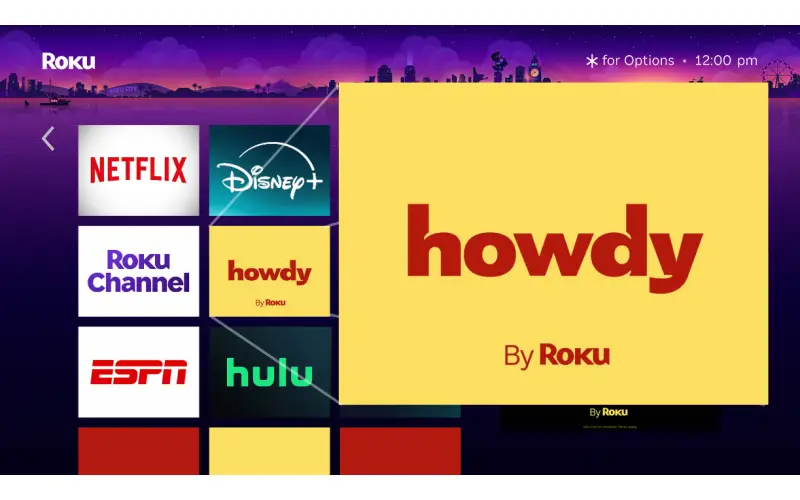
When Roku announced Howdy, a $2.99 ad-free streaming service, the pitch sounded simple: give consumers a way to watch thousands of movies and shows without commercials at a fraction of the price of Netflix, Max, or Disney+. At less than the cost of a latte, it’s the cheapest major ad-free service in the U.S. market.
But here’s the problem: in the home theater world, price is only half the story. For enthusiasts who have invested thousands of dollars into displays, projectors, receivers, and speaker systems, content quality is non-negotiable. And with Howdy, Roku hasn’t told us anything about the specs that actually matter.
No word on bitrate.
No word on HDR formats.
No word on surround sound support.
Without that information, how can we evaluate whether this is truly worth even three dollars a month?
In this article, we’ll dig into Roku’s strategy, what’s missing from the conversation, and why—despite the bargain price tag—we don’t think Howdy will truly take off.
The Streaming Market Context: A Race to the Bottom
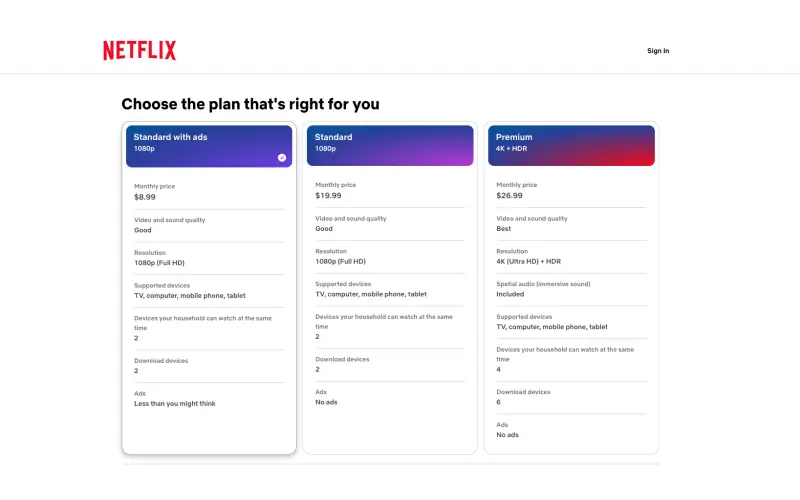
The streaming industry is in flux. Netflix has raised prices twice in the past two years, Max continues to experiment with bundling, and Disney+ has leaned heavily into ad-supported plans. According to data from Antenna, the average ad-free subscription now costs $13.88 per month, up 23% in just two years.
For Roku, the bet is clear: carve out a “budget ad-free” tier that sits far below the rest of the market. Howdy’s $2.99 pricing is designed to appeal to cost-conscious viewers who might otherwise leave the ecosystem.
But here’s the rub: most people don’t subscribe to a streaming service because it’s the cheapest. They subscribe because it delivers the content—and quality—that justifies its place in their monthly budget.
Enthusiasts in particular know that cheap content can sometimes mean cheap delivery. When you’re used to 4K HDR10+ or Dolby Vision with Dolby Atmos tracks streaming at 20–25 Mbps, the idea of a budget service without quality guarantees doesn’t exactly inspire confidence.
What Exactly Do You Get for $2.99?
At launch, Howdy offers close to 10,000 hours of content from Lionsgate, Warner Bros. Discovery, and FilmRise. That includes well-known catalog titles like Mad Max: Fury Road, The Blind Side, Weeds, and Kids in the Hall, plus select Roku Originals.
That sounds impressive at first glance, but let’s be honest:
-
It’s all catalog content. Nothing new, nothing exclusive, nothing you can’t find elsewhere.
-
The depth of the library doesn’t rival even mid-tier services.
-
The licensing deals appear designed to pad hours, not build a prestige library.
For casual viewers who just want something to play in the background, maybe this works. But for the home theater crowd, the kind of people who upgrade projectors, recalibrate audio systems, and care deeply about source quality, this is little more than filler content.
The Quality Question: Where Are the Specs?
Roku has been conspicuously silent about the technical specifications of Howdy’s streams. That’s a massive red flag.
When Apple TV+ launched, Apple made it clear: streams would be among the highest-bitrate in the industry, with consistent Dolby Vision and Atmos support. Disney+ did the same, touting its full-catalog 4K HDR availability.
With Howdy, Roku has told us… nothing.
Key questions left unanswered:
-
Resolution: Is the content 4K UHD, or are we looking at a 1080p catalog?
-
HDR: Is Dolby Vision or HDR10+ supported, or is this SDR only?
-
Audio: Do we get Dolby Atmos or at least 5.1 surround, or is this stereo like some FAST services?
-
Bitrate: Will the streams be robust, or will compression artifacts ruin the experience on larger screens?
For an audience that cares about image and sound fidelity, these omissions are glaring. Without answers, Howdy feels less like a serious streaming option and more like a marketing experiment.
The Business Model Problem: Paying to Not See Ads
Let’s be clear: consumers already resent paying higher prices to remove ads. That frustration is part of why Netflix’s initial push into ad-supported tiers was so controversial.
Howdy flips the script by saying: “Instead of paying more to get rid of ads, pay less and skip them entirely.” At first glance, that seems refreshing. But in practice, it still feels like a nickel-and-dime approach to entertainment.
Do people really want to pay another $2.99 just to avoid ads on older movies they can likely find free elsewhere? Roku seems to think so. We’re not convinced.
Streaming fatigue is real. Households are cutting back, not adding more subscriptions. Even at a low price point, Howdy risks becoming one more app buried on a menu, forgotten after the free trial.
Why This Probably Won’t Take Off
For Roku, Howdy is a hedge against declining ad revenues and a way to diversify. For consumers, it’s a solution in search of a problem. Here’s why we think it won’t gain traction:
-
Content Quality Uncertainty – Without clear specs, home theater fans will stay skeptical.
-
Catalog Over New Content – Howdy offers no compelling exclusives.
-
Subscription Fatigue – Even cheap add-ons add up.
-
Competition – Amazon Prime already offers a $2.99 ad-free upgrade, attached to a much deeper library.
-
No Ads Isn’t Enough – Viewers want value, not just the absence of commercials.
At best, Howdy becomes a niche product for ultra-budget households. At worst, it fades into obscurity, like so many experimental services before it.
The Enthusiast Take: Quality or Nothing
As home theater enthusiasts, we know that the medium matters as much as the message. Watching Mad Max: Fury Road on a properly calibrated OLED with lossless Atmos is an entirely different experience than streaming it in SDR with compressed stereo.
Howdy may have recognizable titles, but without confirmation of technical quality, it’s unlikely to satisfy viewers who care about picture and sound. And in the long run, it’s enthusiasts—the people who buy higher-end TVs, projectors, receivers, and speakers—who shape the perception of streaming services.
If Roku wants Howdy to succeed, it needs to tell us more about how the service treats its content. Right now, all we know is the price. And price alone doesn’t cut it.
Conclusion: A $2.99 Curiosity
Howdy is an interesting idea, but it feels more like a business play than a consumer-focused product. Roku wants to diversify its revenue streams and keep people locked into its ecosystem. For three bucks a month, some viewers will bite.
But for the home theater community, quality is everything. And until Roku proves that Howdy delivers real 4K HDR with immersive audio at respectable bitrates, it will remain a curiosity—cheap, yes, but not compelling.
After all, nobody invests in a high-end system to watch compressed catalog titles.
In the end, Howdy may be the friendliest “hello” your wallet gets this year, but for serious viewers, it’s probably also a quick “goodbye.”